

SASI/SIPS Surgery
SASI/SIPS combines two proven methods to support lasting weight loss and better health.
What’s Single Anastomosis Sleeve Ileal Bypass Surgery?
Single anastomosis sleeve ileal (SASI) bypass surgery is a cutting-edge bariatric surgery that merges the benefits of two well-established procedures: sleeve gastrectomy and intestinal bypass. This minimally invasive procedure is designed to help patients achieve significant weight loss and improve obesity-related health conditions. During SASI surgery, the surgeon creates a sleeve shape by removing a portion of the stomach, which limits food intake and helps patients feel full sooner. Additionally, a portion of the small intestine is bypassed, which reduces the absorption of calories and nutrients. This dual approach not only promotes weight loss but also helps in managing comorbidities like type 2 diabetes, high blood pressure, and, in some cases, gastroesophageal reflux disease (GERD).
Comparison to Other Weight-Loss Surgeries
SASI surgery stands out as a new metabolic surgery procedure that offers a unique approach to weight loss. Unlike traditional gastric bypass or sleeve gastrectomy, SASI surgery involves only one surgical connection, or anastomosis, which can significantly reduce the risk of complications and promote faster recovery. While gastric bypass involves rerouting the intestines and sleeve gastrectomy focuses solely on reducing stomach size, SASI combines both methods. This combination makes SASI surgery both restrictive and limits nutrient absorption, leading to greater weight loss and better management of obesity-related conditions. For patients seeking a less invasive yet highly effective weight-loss solution, SASI surgery can be a good option.
Importantly, SASI surgery may offer additional relief for patients who suffer from GERD. The bypass component of the procedure helps reduce the reflux of stomach acid into the esophagus by altering the path of bile and digestive enzymes, potentially easing GERD symptoms.
Understanding Single Anastomosis Sleeve Ileal Surgery
Stomach intestinal pylorus sparing (SIPS) surgery, also known as single anastomosis sleeve ileal (SASI) bypass, is a type of bariatric procedure that helps patients lose a significant amount of weight and improve their overall health. This minimally invasive procedure combines two effective methods: reducing the size of the stomach and bypassing part of the small intestine. Together, these changes help limit how much food a person can eat and how many calories their body absorbs.
The SASI/SIPS bypass is an innovative bariatric procedure that merges the benefits of both restrictive and malabsorptive techniques while minimizing the risk of nutrient deficiencies.
The surgery uses just one surgical connection (or anastomosis), which can lower the chance of complications and help with faster healing. For patients struggling with morbid obesity, SASI/SIPS offers an option that is both powerful and less invasive than some traditional surgeries.
How the Bariatric Surgery Works
During the SASI/SIPS surgical procedure, the surgeon first performs a sleeve gastrectomy. This means part of the stomach is removed to create a narrow tube or “sleeve.” This new stomach holds less food, helping patients feel full sooner and eat less overall.
Next, the surgeon connects the lower part of the small intestine (called the ileum) directly to the new stomach sleeve. This connection bypasses a portion of the intestine, which lowers the number of calories and nutrients absorbed from food. The entire procedure is done using small instruments through tiny incisions, which usually leads to quicker recovery and less pain after surgery.
How SASI/SIPS Surgery Can Help You With Weight Loss
Morbid obesity is more than just extra weight—it’s a serious health condition associated with metabolic syndrome that can lead to problems like diabetes, high blood pressure, heart disease, stroke, and sleep apnea. Many people try to lose weight through diet and exercise, but for some, it’s not enough. SASI/SIPS surgery gives patients a new path to long-term weight loss when other methods haven’t worked.
Bariatric surgery plays a crucial role in managing metabolic syndrome, addressing various medical comorbidities and dramatically improving quality of life. It can also help reduce symptoms of GERD, which is common in people with obesity. Some patients report a noticeable improvement in acid reflux after undergoing the SASI/SIPS procedure.
Long-Term Success
Many patients lose 70 to 90 percent of their excess weight after SASI/SIPS surgery. Compared to other procedures, the surgery has shown promising long-term success in maintaining weight loss and improving overall health. The best results come from people who stick with the full program, including diet changes, physical activity, and regular checkups. The surgery itself is a tool—it helps make healthy habits more effective, but it still takes commitment to see the best results.
What’s Single Anastomosis Sleeve Ileal Bypass Surgery?
Single anastomosis sleeve ileal (SASI) bypass surgery is a cutting-edge bariatric surgery that merges the benefits of two well-established procedures: sleeve gastrectomy and intestinal bypass. This minimally invasive procedure is designed to help patients achieve significant weight loss and improve obesity-related health conditions. During SASI surgery, the surgeon creates a sleeve shape by removing a portion of the stomach, which limits food intake and helps patients feel full sooner. Additionally, a portion of the small intestine is bypassed, which reduces the absorption of calories and nutrients. This dual approach not only promotes weight loss but also helps in managing comorbidities like type 2 diabetes, high blood pressure, and, in some cases, gastroesophageal reflux disease (GERD).
Comparison to Other Weight-Loss Surgeries
SASI surgery stands out as a new metabolic surgery procedure that offers a unique approach to weight loss. Unlike traditional gastric bypass or sleeve gastrectomy, SASI surgery involves only one surgical connection, or anastomosis, which can significantly reduce the risk of complications and promote faster recovery. While gastric bypass involves rerouting the intestines and sleeve gastrectomy focuses solely on reducing stomach size, SASI combines both methods. This combination makes SASI surgery both restrictive and limits nutrient absorption, leading to greater weight loss and better management of obesity-related conditions. For patients seeking a less invasive yet highly effective weight-loss solution, SASI surgery can be a good option.
Importantly, SASI surgery may offer additional relief for patients who suffer from GERD. The bypass component of the procedure helps reduce the reflux of stomach acid into the esophagus by altering the path of bile and digestive enzymes, potentially easing GERD symptoms.
Understanding Single Anastomosis Sleeve Ileal Surgery
Stomach intestinal pylorus sparing (SIPS) surgery, also known as single anastomosis sleeve ileal (SASI) bypass, is a type of bariatric procedure that helps patients lose a significant amount of weight and improve their overall health. This minimally invasive procedure combines two effective methods: reducing the size of the stomach and bypassing part of the small intestine. Together, these changes help limit how much food a person can eat and how many calories their body absorbs.
The SASI/SIPS bypass is an innovative bariatric procedure that merges the benefits of both restrictive and malabsorptive techniques while minimizing the risk of nutrient deficiencies.
The surgery uses just one surgical connection (or anastomosis), which can lower the chance of complications and help with faster healing. For patients struggling with morbid obesity, SASI/SIPS offers an option that is both powerful and less invasive than some traditional surgeries.
How the Bariatric Surgery Works
During the SASI/SIPS surgical procedure, the surgeon first performs a sleeve gastrectomy. This means part of the stomach is removed to create a narrow tube or “sleeve.” This new stomach holds less food, helping patients feel full sooner and eat less overall.
Next, the surgeon connects the lower part of the small intestine (called the ileum) directly to the new stomach sleeve. This connection bypasses a portion of the intestine, which lowers the number of calories and nutrients absorbed from food. The entire procedure is done using small instruments through tiny incisions, which usually leads to quicker recovery and less pain after surgery.
How SASI/SIPS Surgery Can Help You With Weight Loss
Morbid obesity is more than just extra weight—it’s a serious health condition associated with metabolic syndrome that can lead to problems like diabetes, high blood pressure, heart disease, stroke, and sleep apnea. Many people try to lose weight through diet and exercise, but for some, it’s not enough. SASI/SIPS surgery gives patients a new path to long-term weight loss when other methods haven’t worked.
Bariatric surgery plays a crucial role in managing metabolic syndrome, addressing various medical comorbidities and dramatically improving quality of life. It can also help reduce symptoms of GERD, which is common in people with obesity. Some patients report a noticeable improvement in acid reflux after undergoing the SASI/SIPS procedure.
Long-Term Success
Many patients lose 70 to 90 percent of their excess weight after SASI/SIPS surgery. Compared to other procedures, the surgery has shown promising long-term success in maintaining weight loss and improving overall health. The best results come from people who stick with the full program, including diet changes, physical activity, and regular checkups. The surgery itself is a tool—it helps make healthy habits more effective, but it still takes commitment to see the best results.
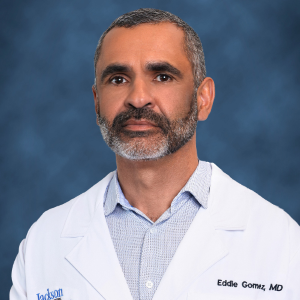
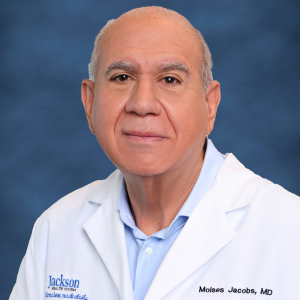
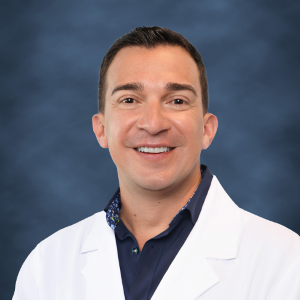
Our Bariatric Revision Surgery Team
Our skilled bariatric surgeons are experienced in advanced weight-loss procedures, including the SASI/SIPS technique. From your first consultation through recovery and beyond, we’re here to support you every step of the way.
You are just about to enter a carousel of physicians.
Where We Offer SASI/SIPS Surgery
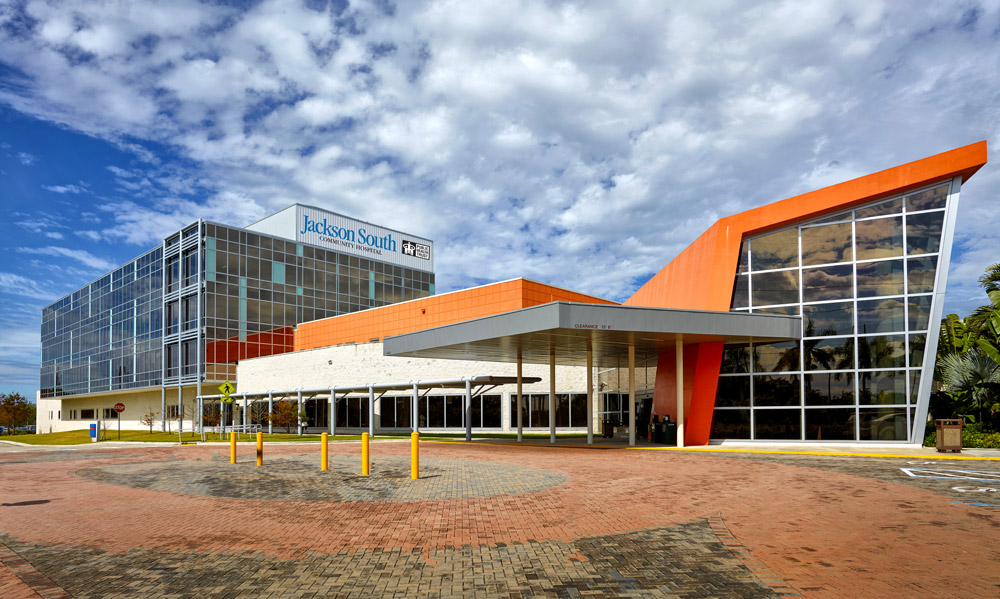
SASI/SIPS surgery is offered exclusively at Jackson South Medical Center. This location is equipped with advanced surgical tools and a dedicated bariatric team focused on your comfort, safety, and long-term success — all in a convenient, accessible setting.
Frequently Asked Questions
Accordion
SASI/SIPS surgery is a type of metabolic surgery designed for people who have a body mass index (BMI) of 40 or more, or 35 or more with health issues caused by obesity. To be approved for surgery, patients must go through a medical evaluation, lab work, and a mental health assessment. They also need to show that they’re ready to make major lifestyle changes—like eating healthier and being more active—to keep the weight off long-term.
Bariatric surgery, including SASI/SIPS surgery, requires strict eligibility criteria defined by organizations like the American Society of Metabolic and Bariatric Surgery. These criteria ensure standardized reporting outcomes and address specific medical comorbidities associated with morbid obesity.
SASI/SIPS surgery combines the benefits of sleeve gastrectomy and intestinal bypass, using just one surgical connection. This can reduce the risk of complications while still offering strong weight-loss results. It’s less invasive than the traditional switch surgery involving the upper part of the small intestine. One anastomosis gastric bypass is another option that is gaining popularity due to its effectiveness in weight loss and managing related health conditions, with fewer complications and less surgical complexity compared to other bariatric procedures.
Most people lose between 70 percent and 90 percent of their excess weight within 12 to 18 months after surgery. Weight loss depends on how well you follow the program after surgery.
Yes. Many patients with GERD experience relief after SASI/SIPS surgery. The procedure diverts a portion of the small intestine, which can reduce the exposure of the esophagus to stomach acid and bile. This change may decrease heartburn and other symptoms associated with acid reflux. While not guaranteed, SASI/SIPS may be a better option than traditional sleeve gastrectomy for patients who struggle with GERD, since standard sleeve surgery may worsen reflux in some cases.
All surgery has some risk, but SASI/SIPS is considered safe when performed by experienced surgeons. Using a single anastomosis may lower the chance of problems compared to some other procedures.
Yes. Because your body will absorb fewer nutrients, you’ll need to take daily vitamin and mineral supplements. Your care team will guide you on exactly what to take.
Most patients return to normal activities within two to four weeks. You’ll follow a special diet and have regular follow-up visits to make sure everything is healing well.
Coverage varies by insurance plan. Many plans cover bariatric surgery for patients who meet certain health conditions. Our team can help you check your benefits and work through the approval process.
Both procedures are effective for weight loss, but bypass surgery also involves rerouting the intestines, which can lead to more significant weight loss and improvement in obesity-related conditions compared to sleeve gastrectomy.
After surgical procedures, most patients stay in the hospital for a short time. Recovery at home usually takes a few weeks, depending on the person’s health and how well they follow post-surgery instructions. Following the post-surgery guidelines is crucial to prevent weight regain, which can occur if patients don’t adhere to the recommended lifestyle changes. A special eating plan is required after surgery, starting with liquids and slowly moving to soft and then solid foods.
It’s important to attend follow-up appointments, where your care team will check on your recovery and help you stay on track. You’ll also need to take daily vitamins to avoid deficiencies, since the surgery changes how your body absorbs nutrients like B12, iron, and calcium.